Windows Performance Troubleshooting: The Ultimate Guide
Is your PC constantly struggling to keep up with your daily workload? Nothing kills productivity—and frustrates even the most patient user—quite like unexpected system slowdowns. Whether you are a developer waiting for code to compile or an IT admin trying to manage a busy network, processing speed is absolutely critical.
When your machine starts dragging its feet, simply restarting it rarely fixes the actual root cause. That’s exactly where proper windows performance troubleshooting steps in and becomes essential.
Throughout this guide, we’ll dive into the underlying technical reasons behind frustrating system lag. Along the way, we’ll walk you through a combination of rapid fixes and more advanced techniques designed to optimize your PC’s performance and help you reclaim that missing processing power.
Why Windows Performance Troubleshooting is Necessary
Before jumping straight into the solutions, it really helps to understand exactly why these slowdowns happen in the first place. As time goes on, operating systems naturally accumulate a mess of background processes, fragmented files, and registry bloat. Unfortunately, all of this digital clutter severely drains your available system resources.
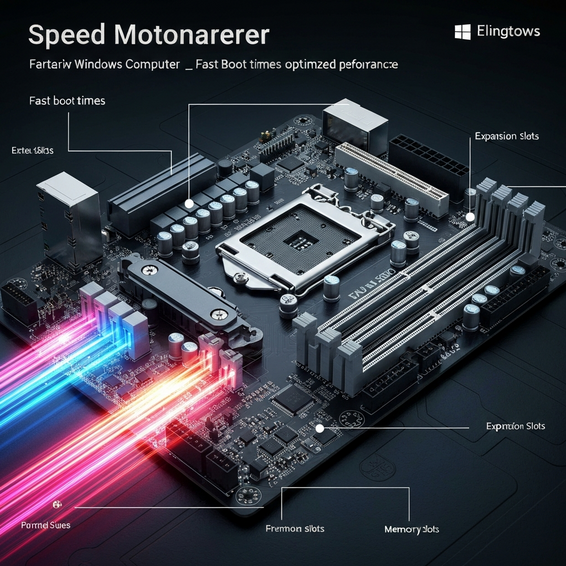
Another incredibly common culprit is a hardware bottleneck. Whenever your CPU, RAM, or storage drive maxes out at 100% utilization, the rest of your system is forced to sit and wait. Ultimately, this creates that classic, stuttering Windows 10 and Windows 11 lag that so many users dread experiencing.
Beyond hardware limits, software conflicts also play a massive role in degrading your computer’s performance. Aggressive background antivirus scans, pending OS updates trying to install, or pesky memory leaks from poorly optimized apps can practically cripple your machine. Pinpointing this exact cause is always the crucial first step in any effective windows performance troubleshooting.
Quick Fixes / Basic Solutions
When you need immediate results, your best bet is to start right here with these fundamental steps. These basic solutions can rapidly speed up your Windows environment, and the best part is they don’t require any deep, specialized technical knowledge.
- Review Task Manager: Try pressing
Ctrl + Shift + Escto pull up the Task Manager. From there, sort the list by the CPU or Memory columns to easily spot resource-hungry applications. Just right-click and select “End Task” on any programs you don’t actually need running. - Disable Startup Apps: While still in Task Manager, navigate over to the Startup tab. Take a moment to disable any non-essential applications that are set to launch automatically the second Windows boots up. Doing this can drastically reduce your boot times and lighten the background load.
- Run a Malware Scan: It is no secret that malicious software loves to run silently in the background, quietly eating up your processing power. Run a deep scan using Windows Defender or your favorite, trusted third-party security tool to rule this out.
- Adjust Power Settings: By default, Windows usually opts for a “Balanced” power plan to save energy. However, if you search for Power Options and switch that setting over to “High Performance,” you will ensure your hardware is allowed to run at maximum capacity.
- Clear Temporary Files: Hit
Win + R, type%temp%, and press Enter to open your temporary files folder. Go ahead and delete everything inside to quickly free up drive space and cut down on unnecessary storage clutter.
Advanced Solutions
Sometimes the basic tweaks just aren’t enough, and when those fail, it’s time to dig a little deeper. Especially from a developer or IT perspective, advanced system maintenance often requires specialized diagnostic tools and thorough hardware assessments.
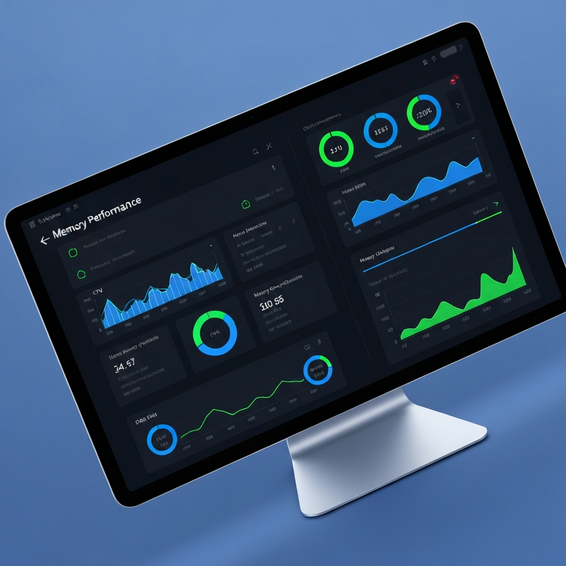
- Use Resource Monitor: If you need a truly granular look at what’s happening under the hood, open up Resource Monitor. This built-in tool provides incredibly in-depth data regarding Disk I/O, network latency, and specific CPU thread usage, helping you pinpoint the exact location of a bottleneck.
- Update and Manage Drivers: Running an outdated chipset or GPU driver can severely compromise your operating system’s stability. Open up the Device Manager to double-check that all of your critical hardware components are running the latest drivers straight from the manufacturer.
- Run System File Checker (SFC): Corrupted OS files frequently cause silent performance failures that are notoriously hard to spot. To fix this, simply open an elevated Command Prompt as an administrator and run
sfc /scannow. This command will verify the integrity of your core Windows files and repair any damaged ones. - Perform a Clean Boot: Initiating a clean boot starts Windows using only a minimal, strictly necessary set of drivers and startup programs. Open
msconfig, head over to the Services tab, check the box labeled “Hide all Microsoft services,” and then disable everything remaining on the list to see if a third-party service is causing your lag. - Check Disk Health (CHKDSK): A failing storage drive can cause immense, system-wide lag. By running
chkdsk /f /rin the command prompt, you can easily scan for—and hopefully repair—any bad sectors present on your primary drive.
Best Practices
Keeping your system running quickly isn’t a one-and-done deal; it is an ongoing process. By adopting good maintenance habits now, you will prevent future slowdowns and consistently enhance your overall developer productivity.
First and foremost, make sure you always keep your operating system updated. Microsoft frequently rolls out patches designed to address nasty security vulnerabilities and improve overall resource management. Continuously delaying these essential updates can leave your computer both exposed to threats and poorly optimized.
Secondly, you need to actively manage your thermal performance. When internal components overheat, they automatically begin to thermal-throttle, which acts as a massive handbrake on your computer’s speed. Make it a habit to regularly clean out the dust from your PC fans and ensure your workstation has plenty of airflow. Furthermore, if you happen to be running a home server, maintaining a sufficiently cool environment is even more critical to long-term stability.
Finally, don’t shy away from considering a few hardware upgrades if your machine is starting to show its age. Swapping an old HDD for a blazing-fast NVMe SSD is arguably the single most impactful physical change you can make. Similarly, bumping your RAM up to 16GB or 32GB will give your system the much-needed breathing room to handle heavy multitasking without breaking a sweat.
Recommended Tools / Resources
Arming yourself with the right software arsenal takes a lot of the headache out of the diagnostic process. If you want to troubleshoot like a pro, here are some highly recommended tools for IT professionals and power users alike:
- Sysinternals Suite: A fantastic collection of advanced system utilities officially provided by Microsoft. Utilities like Process Explorer offer a much deeper, more detailed view of your system than the standard Task Manager ever could.
- HWMonitor: An excellent, completely free tool for actively monitoring your hardware temperatures, voltages, and fan speeds. It is an absolutely vital piece of software for diagnosing unexpected thermal throttling.
- CrystalDiskInfo: Keep this utility on hand to easily check the SMART status and verify the overall, long-term health of your hard drives and solid-state drives.
- Malwarebytes: A highly effective, powerful secondary scanner used to catch persistent, stubborn malware or adware that traditional antivirus software might accidentally overlook.
- Samsung 990 PRO NVMe SSD: If you’ve decided you are ready for a serious hardware upgrade, this specific drive delivers top-tier speed and rock-solid reliability for highly demanding workloads. (Affiliate link)
FAQ Section
How do I find out what is slowing down my Windows PC?
The absolute best way to pinpoint the culprit is by leaning on Task Manager and Resource Monitor. These built-in Windows tools clearly show exactly which background applications are eating up your CPU, memory, and disk resources in real-time.
Does increasing RAM improve Windows performance?
Yes, it absolutely does! Adding more RAM allows your computer to smoothly handle a higher number of active applications at the exact same time. Without enough memory, your PC is forced to rely on your much slower storage drive for virtual memory, so upgrading drastically reduces system lag during heavy multitasking sessions.
Why does my computer suddenly freeze for a few seconds?
Those frustrating short freezes—often referred to as micro-stutters—are frequently caused by failing storage drives, sudden thermal throttling, or heavily outdated drivers. Doing a quick check on your disk health and updating your display drivers are always fantastic starting points for resolving this annoying issue.
Is it safe to disable Windows services to speed up my PC?
While going in and disabling non-essential services can technically free up memory, it’s a bit of a gamble; it can easily cause system instability if you accidentally disable the wrong ones. Because of that risk, it is usually much safer to focus your efforts on disabling third-party startup apps rather than tinkering directly with core Windows services.
Conclusion
Dealing with system lag definitely doesn’t have to be a permanent, everyday annoyance. By taking the time to understand the root causes behind these slowdowns, you can confidently take proactive steps to optimize your PC’s performance and significantly extend the usable lifespan of your hardware.
At the end of the day, effective windows performance troubleshooting simply relies on taking a methodical, logical approach. Always start out with the quick fixes—like disabling unnecessary startup apps and running thorough malware scans. Then, if the issues still persist, you can escalate to utilizing advanced tools like Resource Monitor and SFC scans to finally resolve those deep-seated OS conflicts.
If you implement the best practices outlined throughout this guide, your system will undoubtedly remain fast, remarkably stable, and completely ready to tackle any workload you throw at it. Don’t let poor, sluggish performance slow down your day—take back control of your PC right now.
About the Author